Rubicon - LVT(A) 4 - 1/56
If you are like me, you may have been intrigued as to what the fuss around Rubicon models was all about. I mean 1:56 or 28mm is an odd scale, at least for those of us in the scale modelling World. The box art looks great, and some of the builds I’d seen online looked great, so when I had the opportunity to pick up a kit during my recent trip to The Tank Museum, I jumped on it.
But were these Rubicon kits worth the hype ? Join me and I’ll take you through the build and share my thoughts – both good and bad.
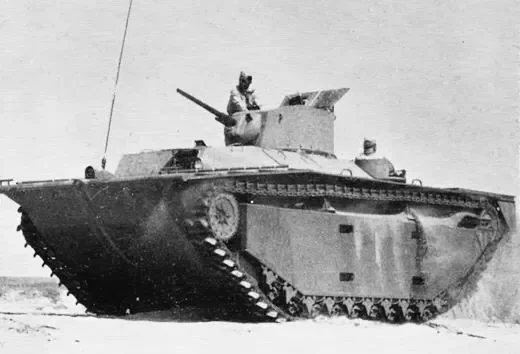
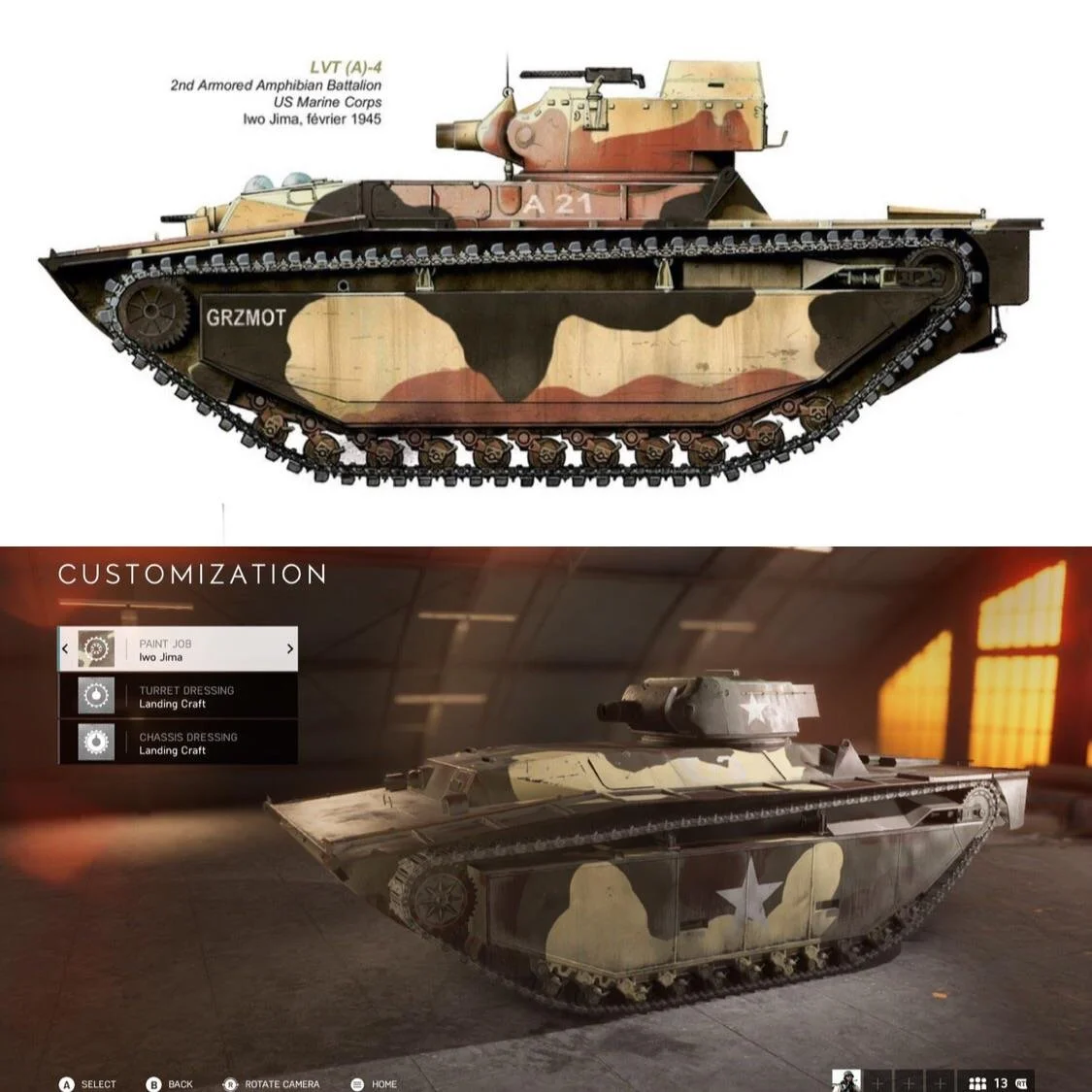
I picked myself up the LVT(A) kit that gives you the option to build either the LVT(A) – or Alligator, that’s the one with the small enclosed turret armed with a 37 mm gun or the LVT(A) 4 that used the same hull but included an open top turret housing a 75 mm howitzer.
The decal sheet looked to be generous (but more on that later) and at a glance the instructions seemed easy enough to follow.
The parts themselves looked to be very basic and over simplified, so as a modeller that is used to high parts counts and sheets of etch, I can’t lie but a few alarm bells were ringing at this point…
I chose to build the LVT(A) 4 because I felt it was a little more interesting, although the lack of detail on the gun breach was something I would have to come to terms with.
_____
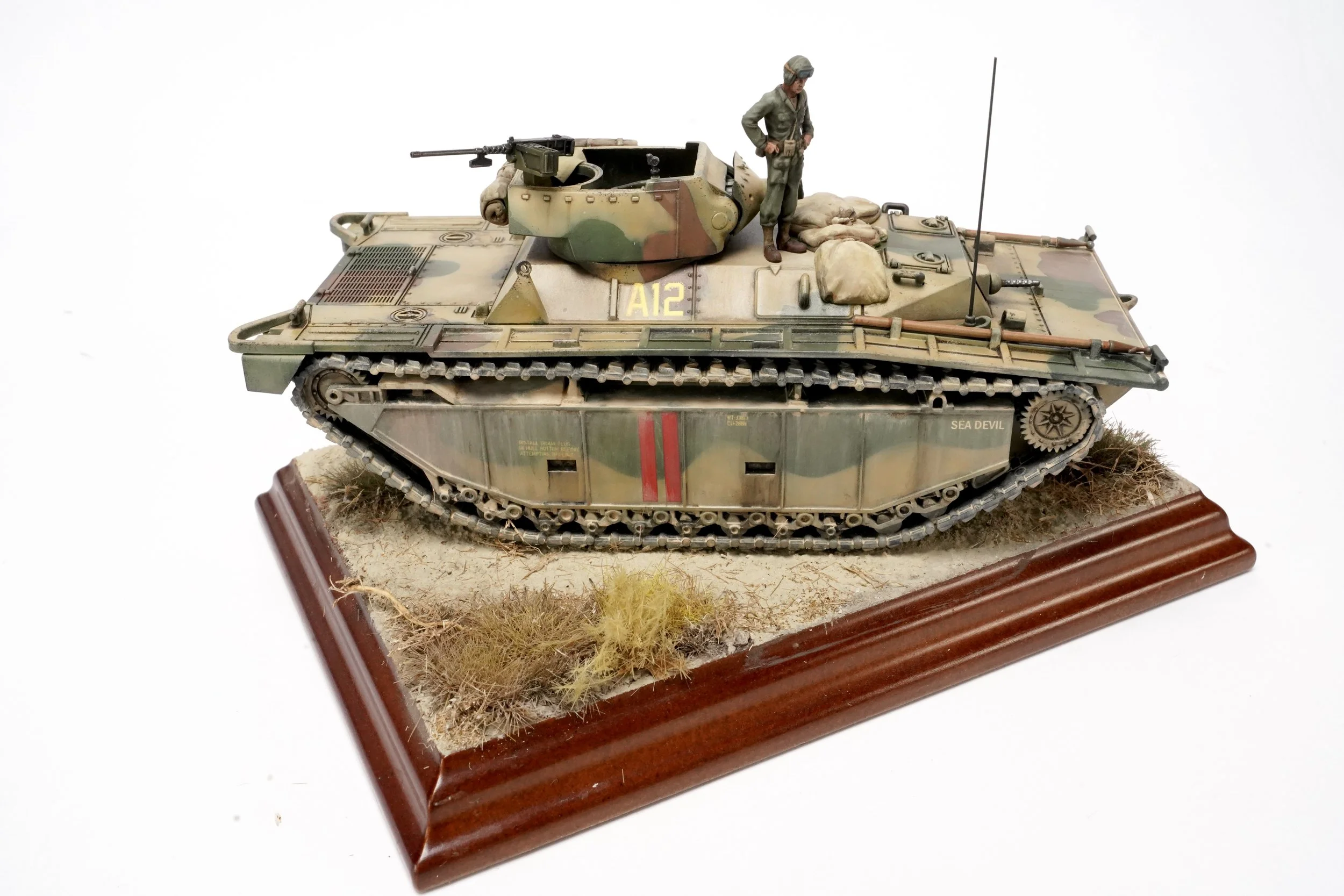
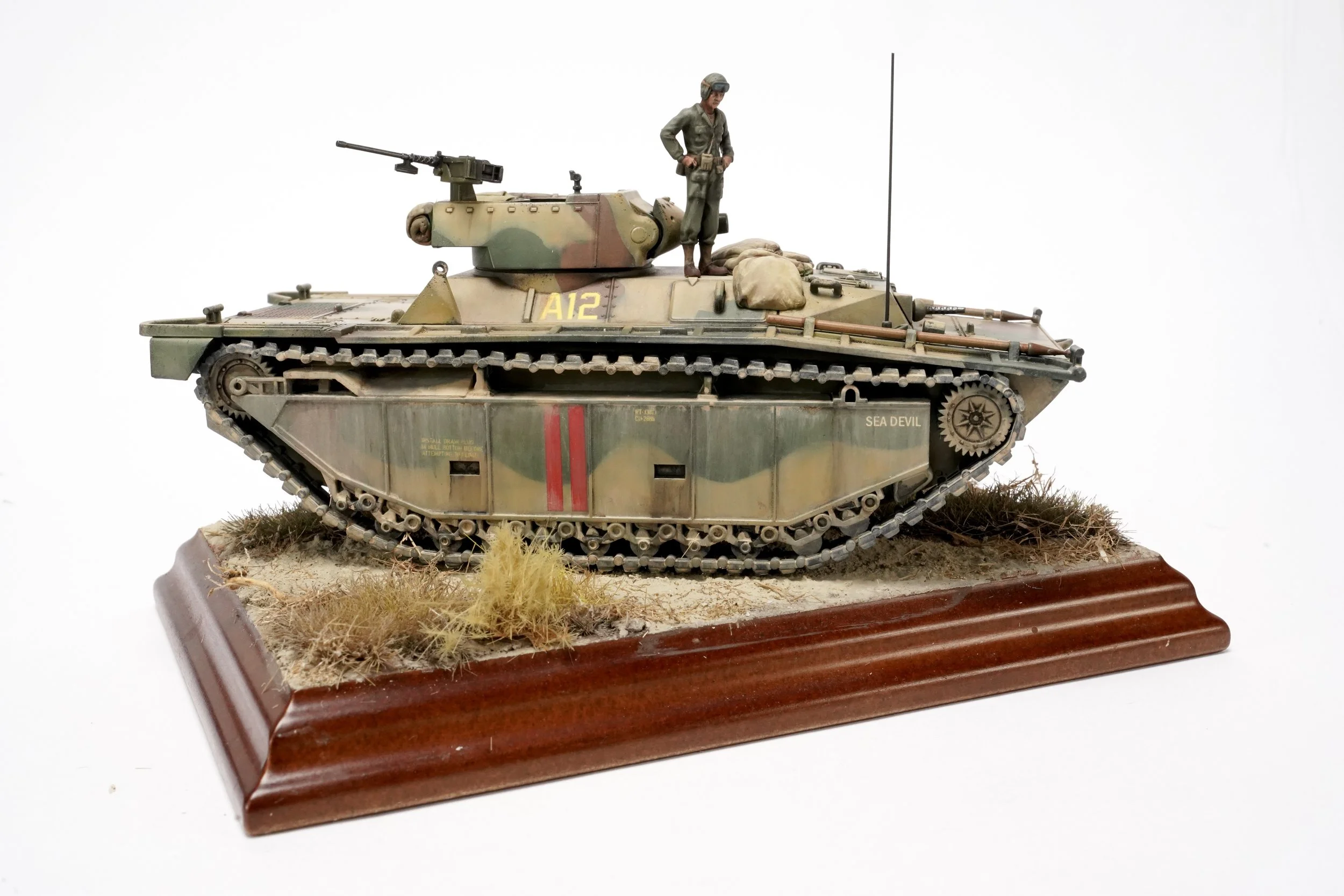
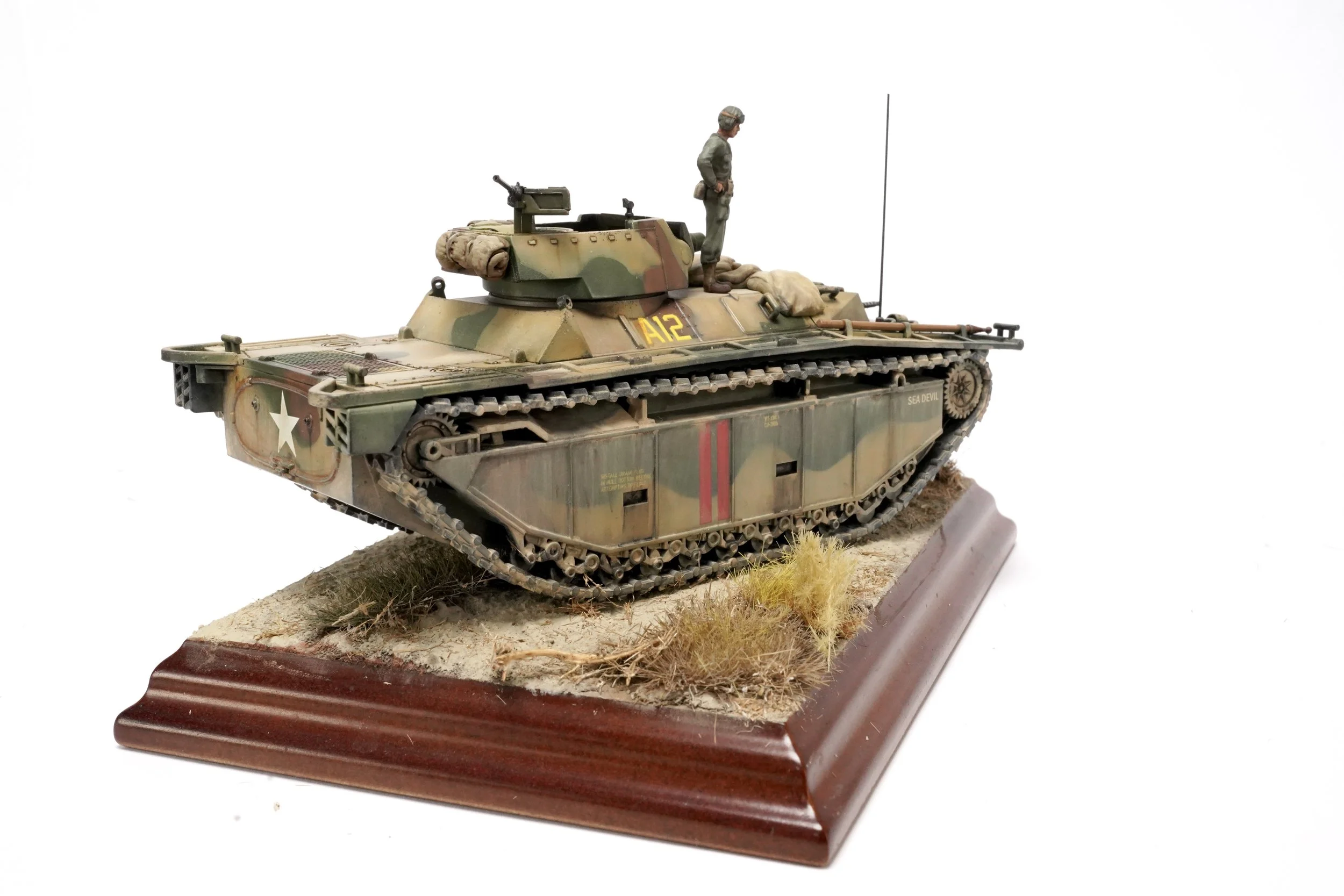
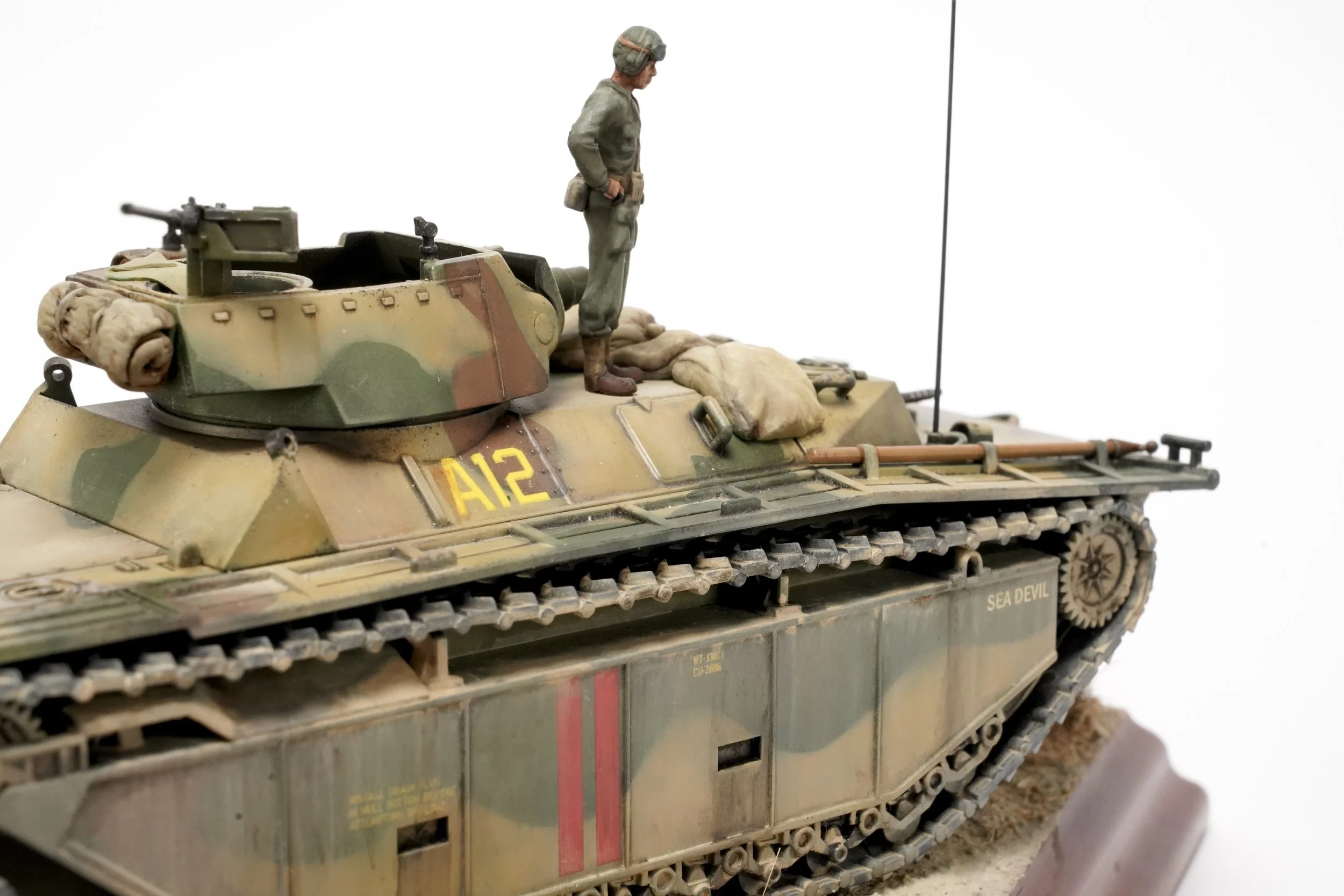
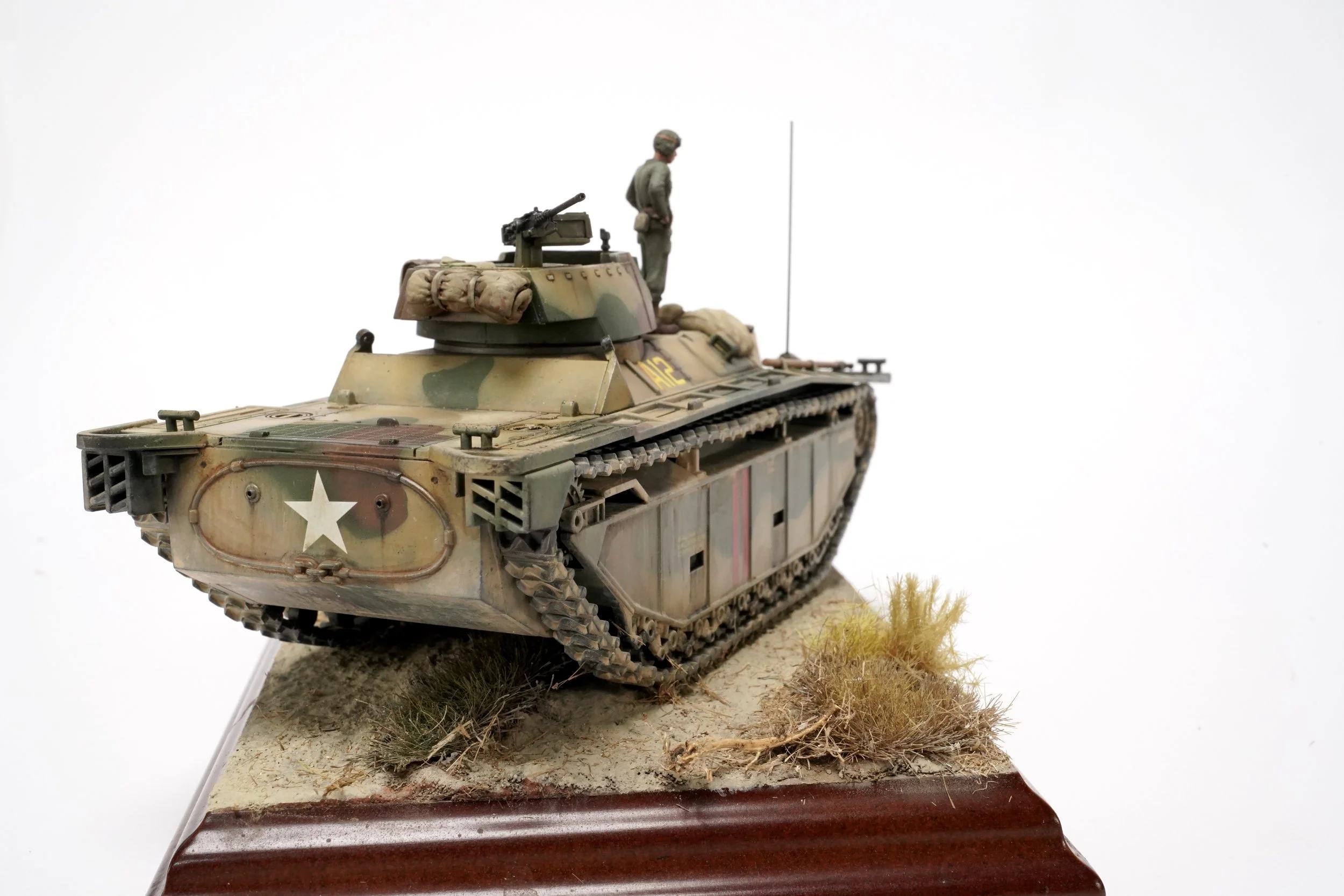
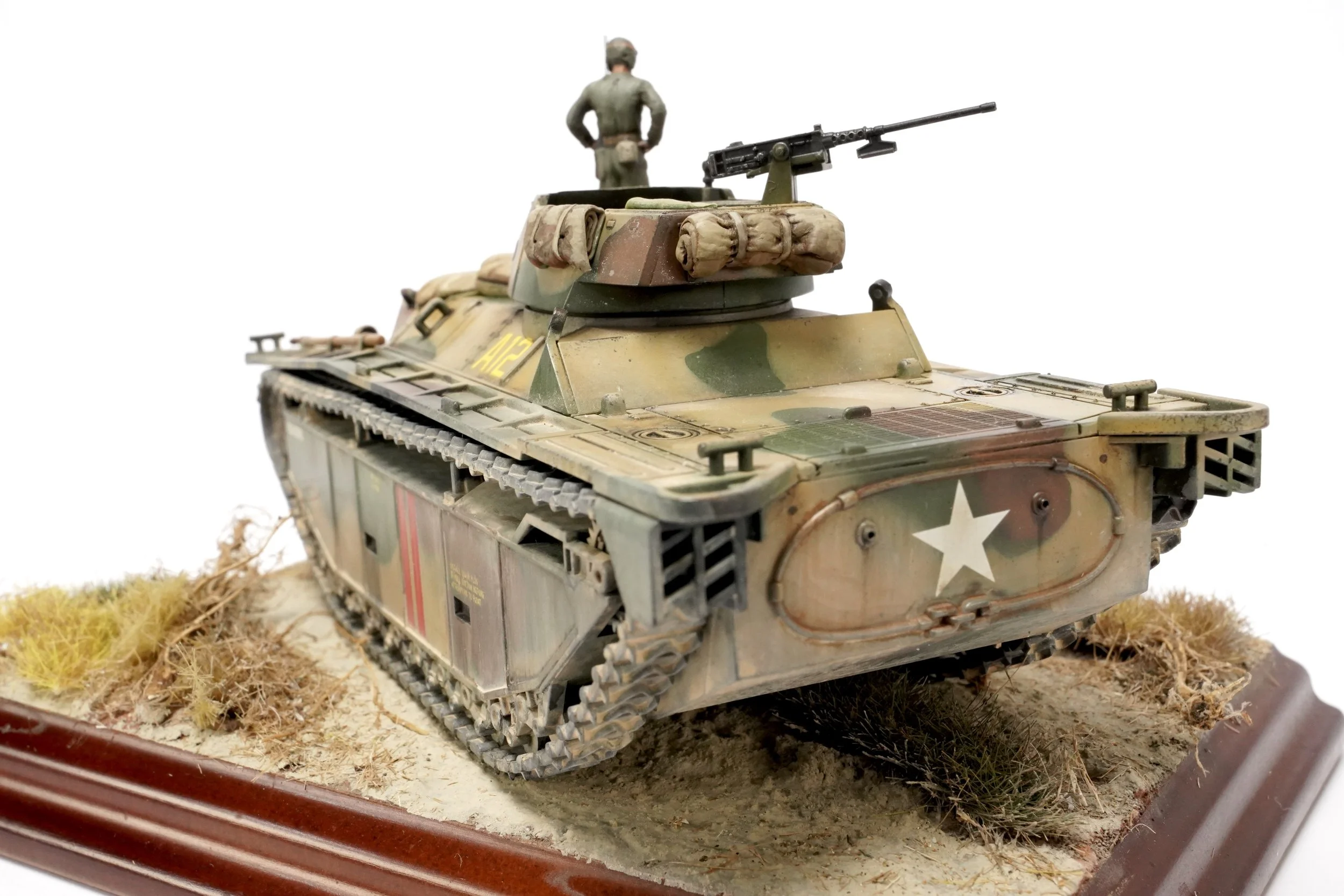
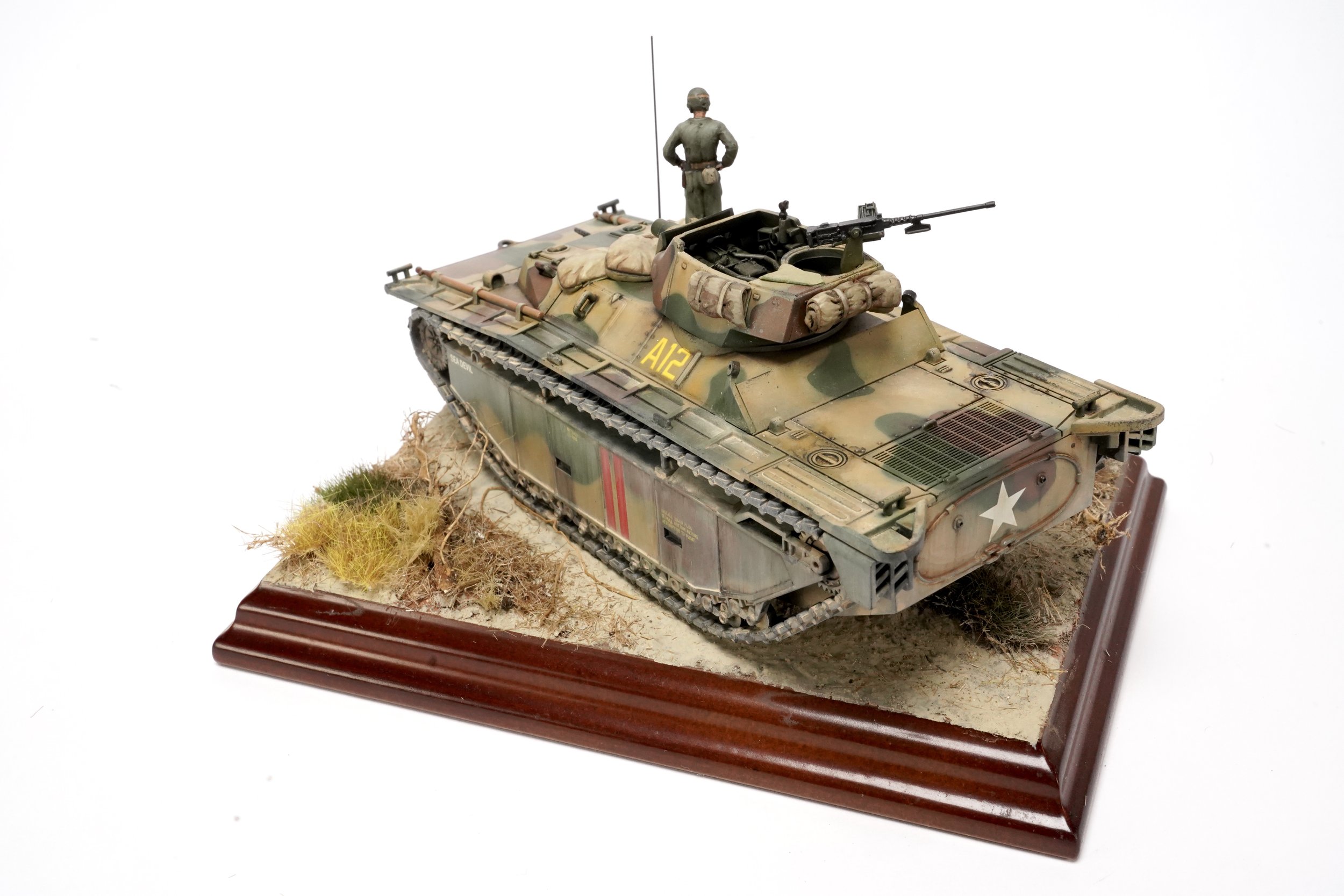
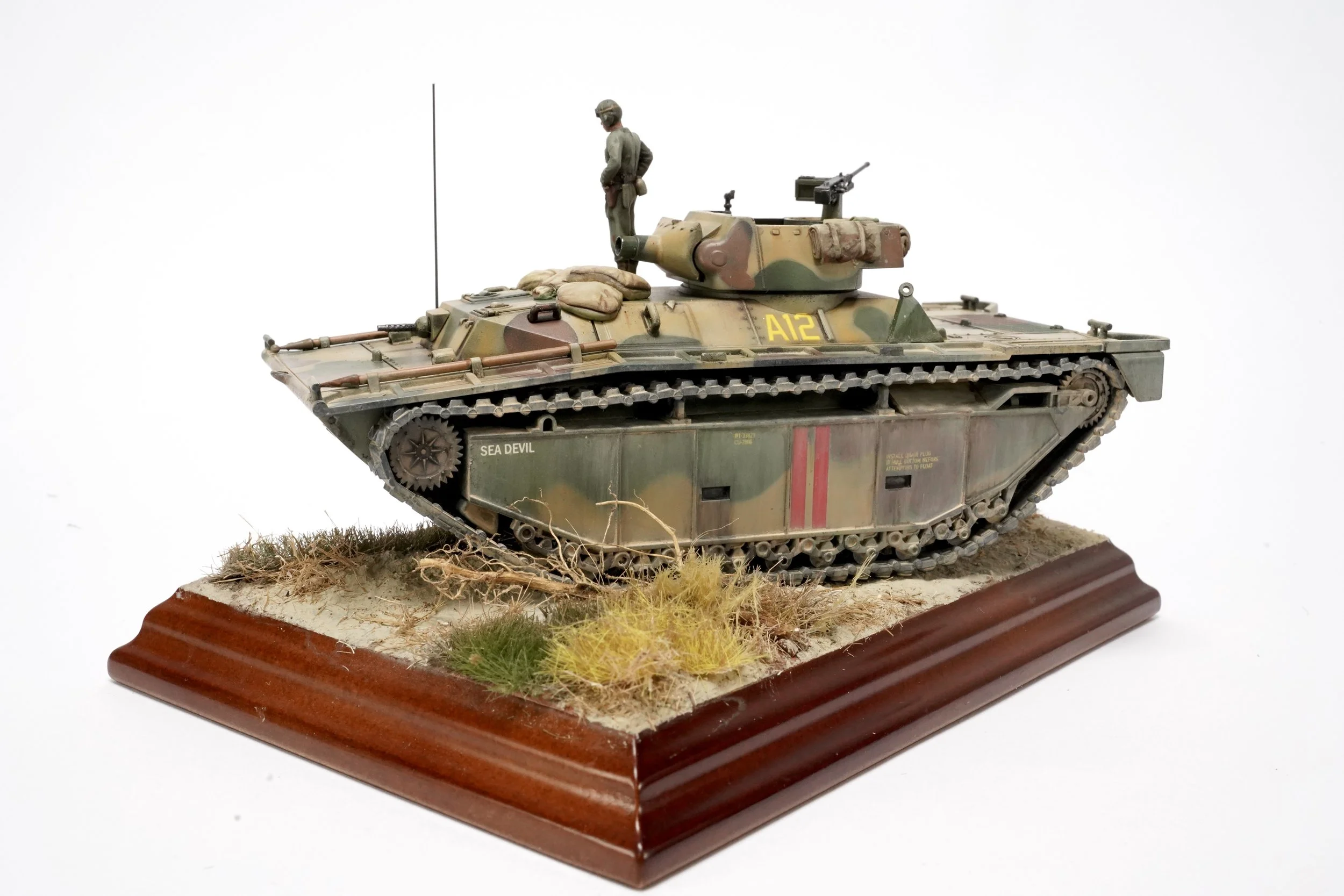
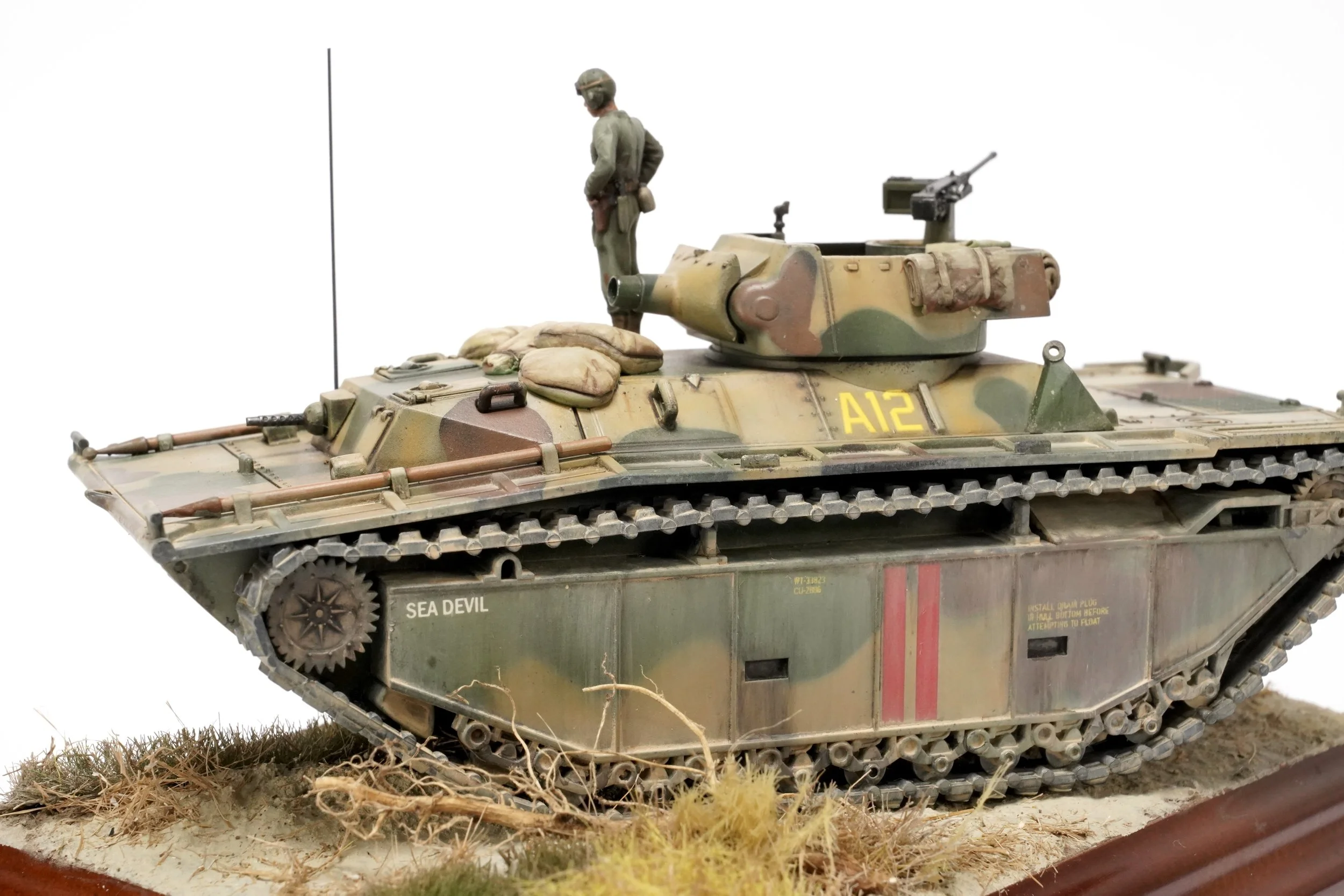
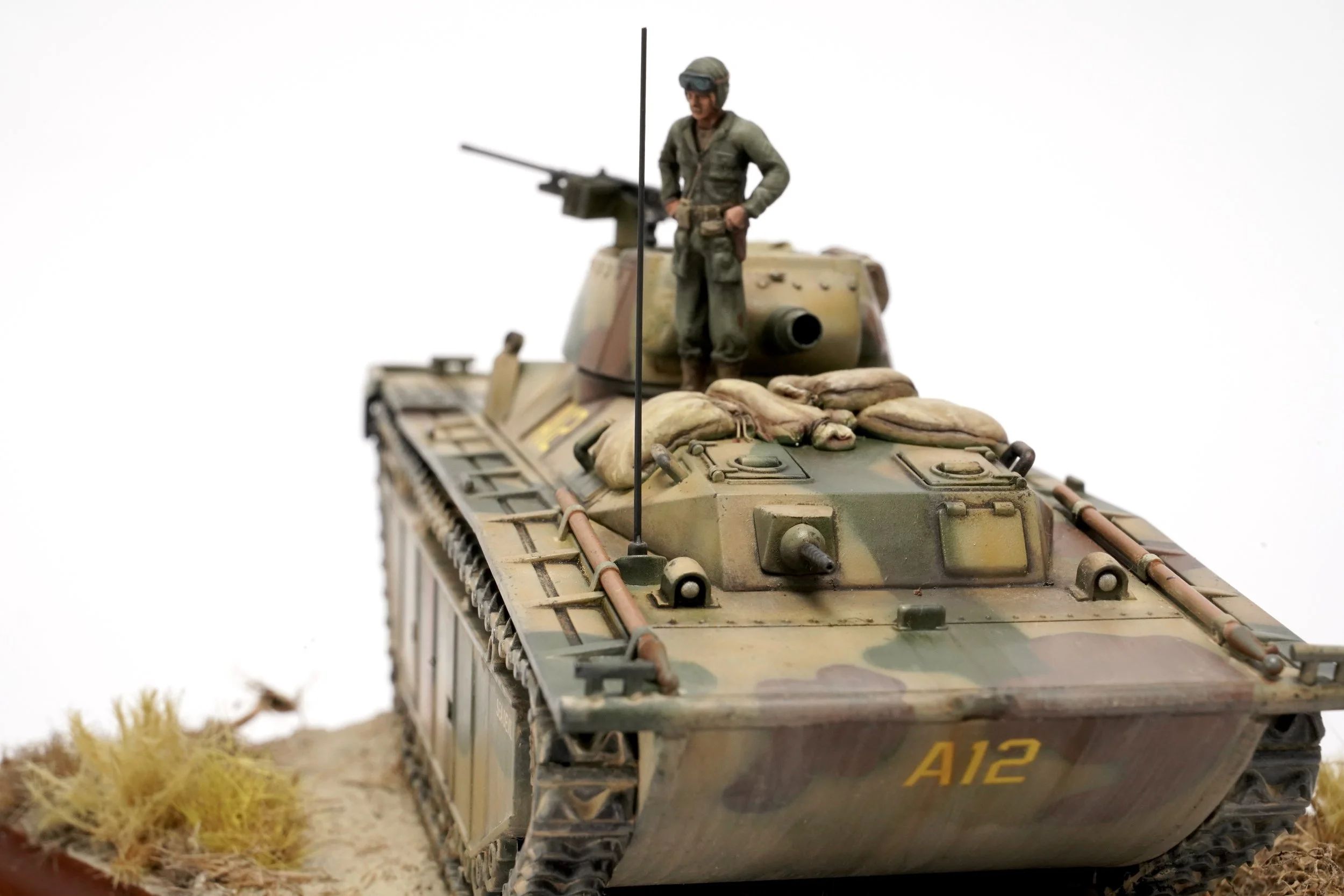
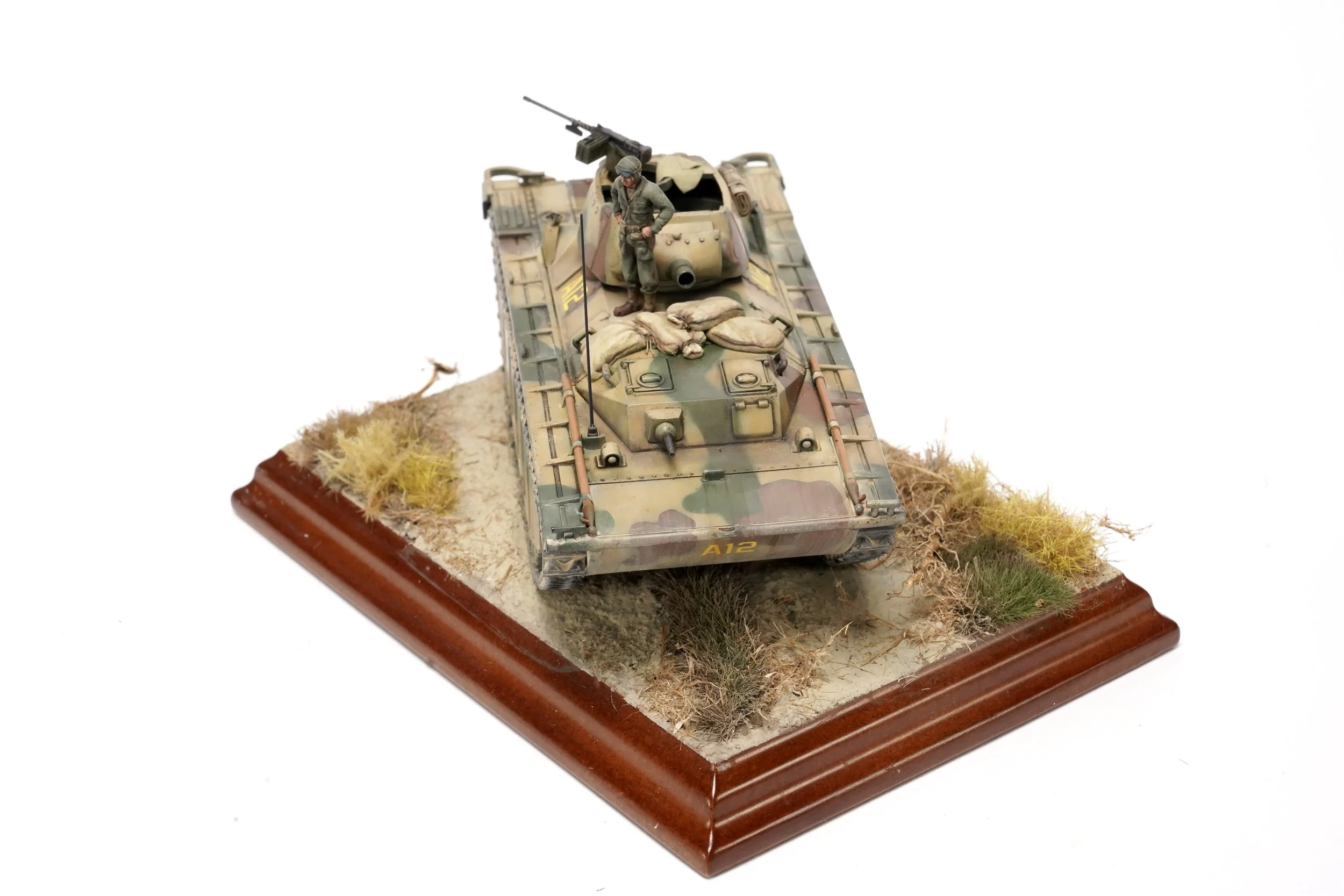
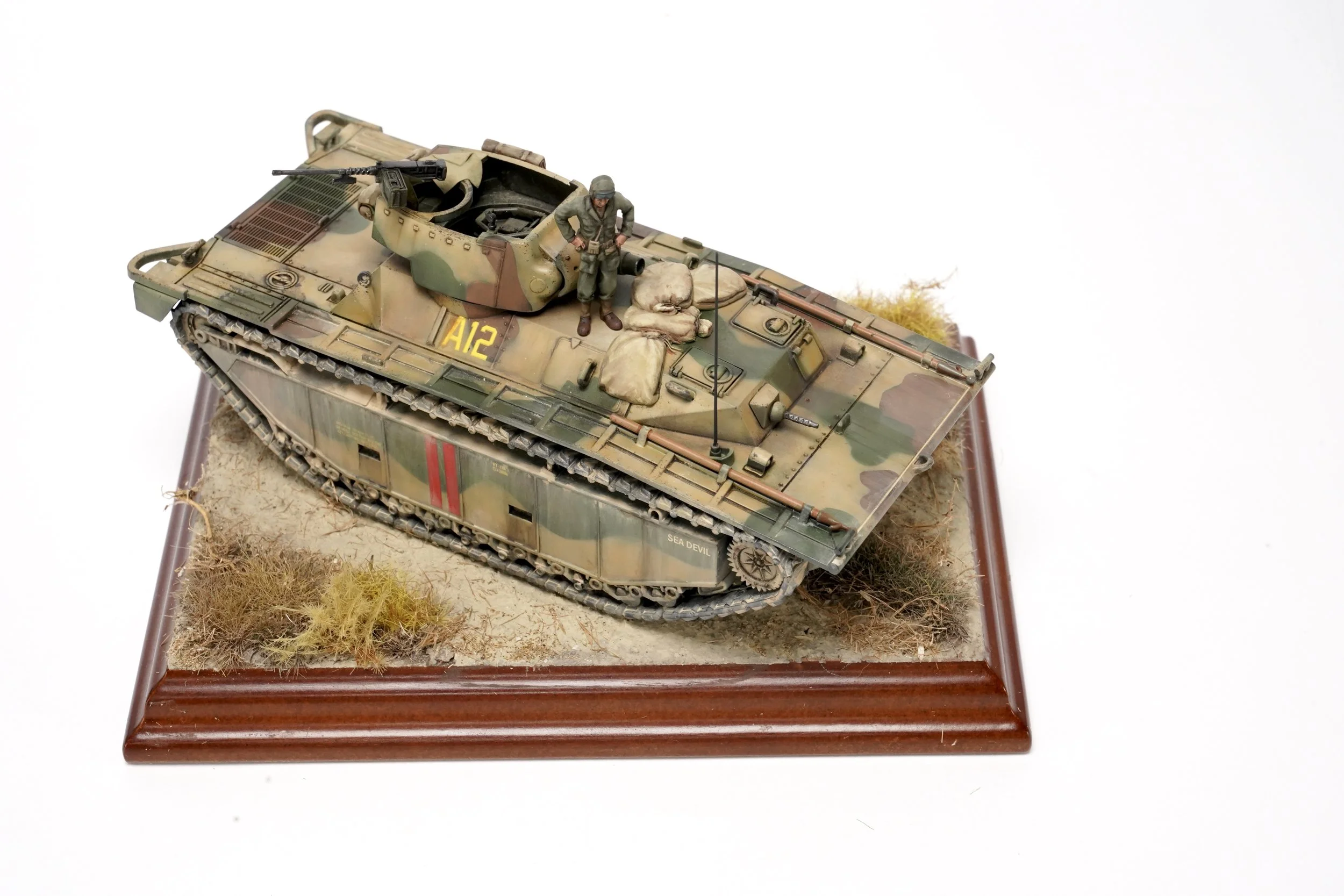
FULL BUILD / PAINTING AND WEATHERING SERIES available on my You Tube Channel!
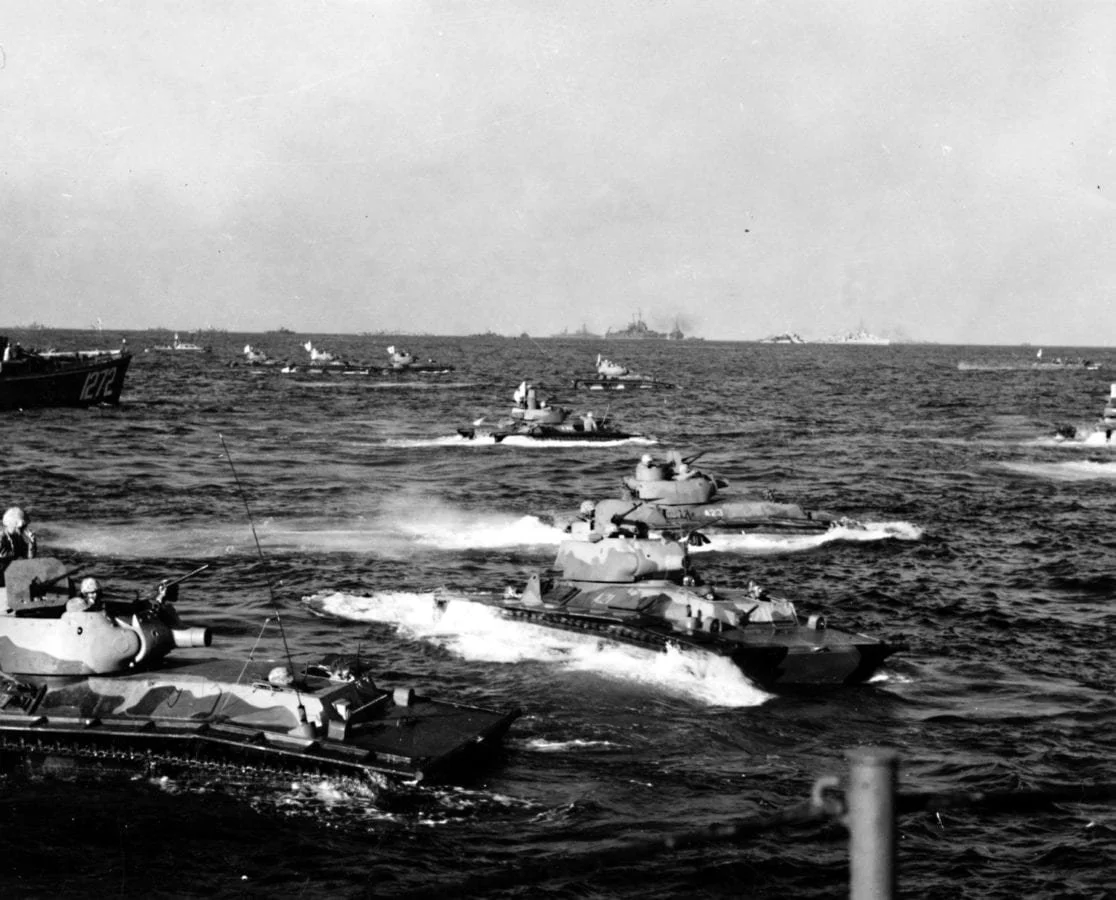
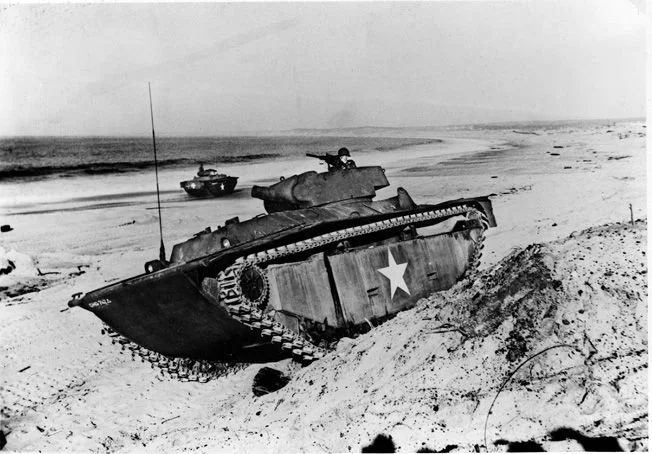
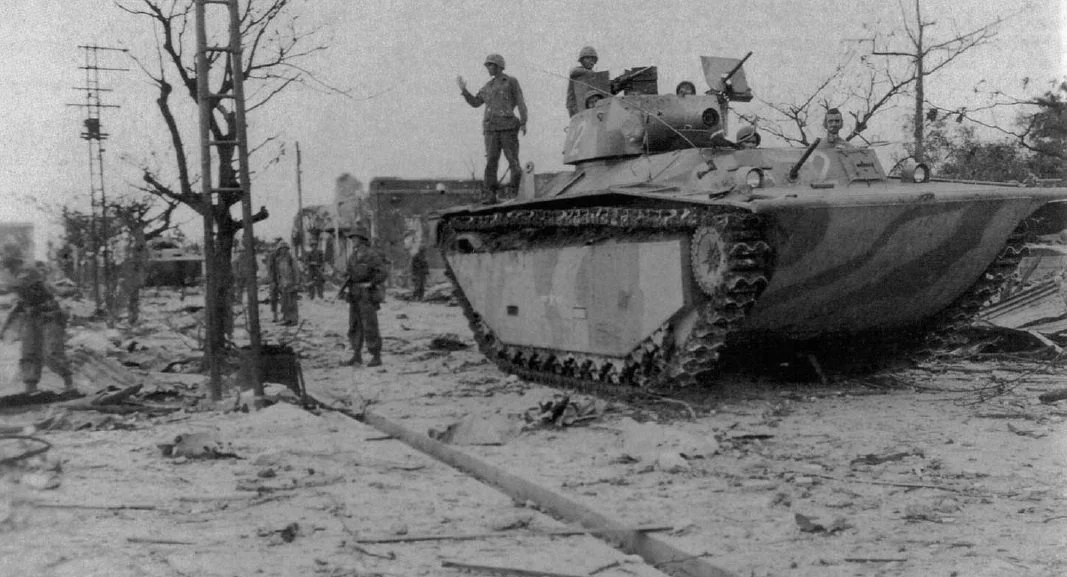
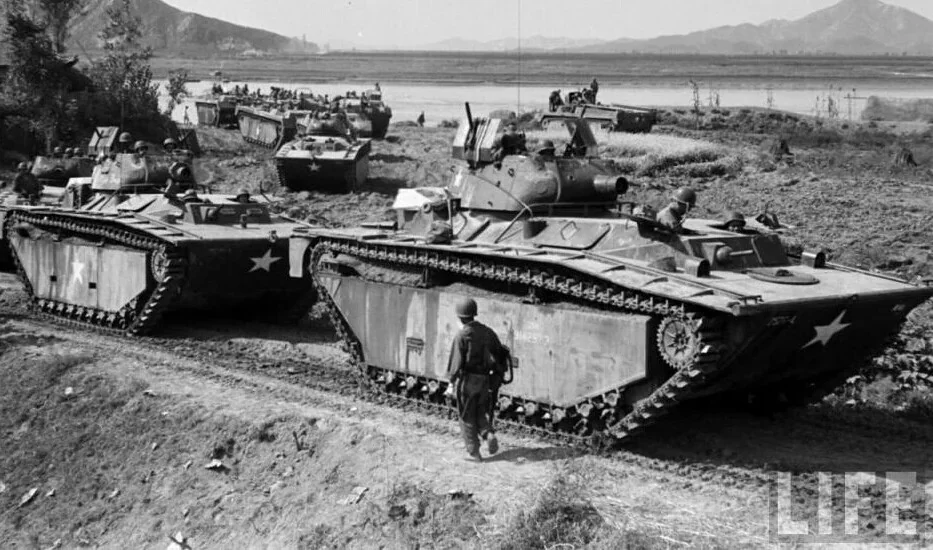
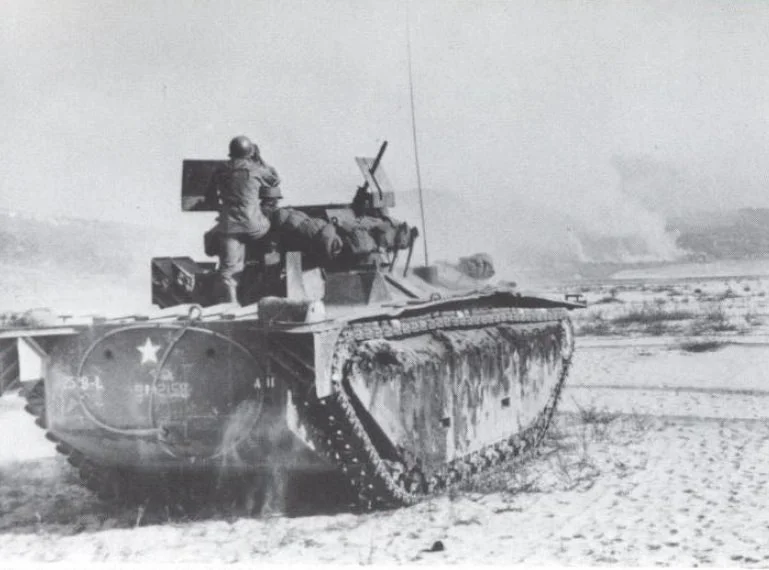
The LVT(A)-4 is one of those vehicles that doesn’t always get the spotlight, but absolutely earns it. Designed as a heavily armed amphibious fire support vehicle, it combined the mobility of the Landing Vehicle Tracked family with the punch of a 75mm howitzer mounted in a fully rotating turret.
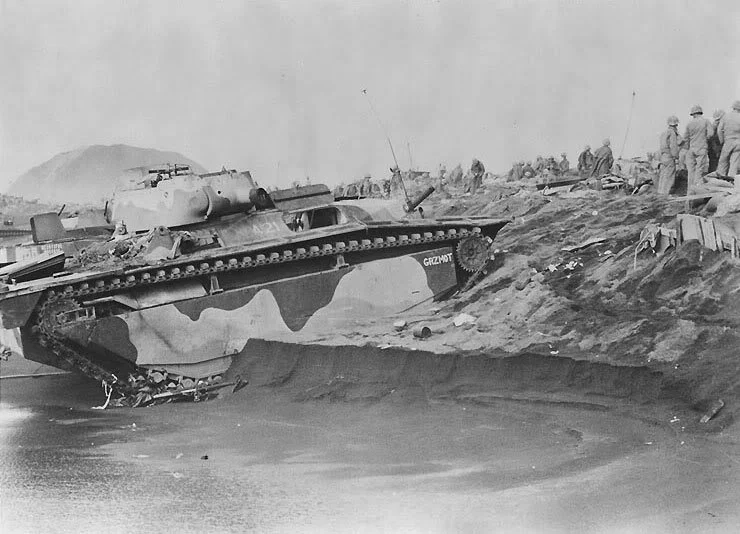
Originally developed for the Pacific theatre, the LVT(A)-4 saw extensive use in island assaults from 1944 onward. Its role was to provide direct fire support during amphibious landings, engaging bunkers, fortified positions, and enemy strongpoints before and immediately after troops came ashore. The open-topped turret gave excellent visibility and allowed the 75mm M2 howitzer to deliver high-explosive rounds where they were needed most, though it also left the crew exposed.
By the time of the later Pacific campaigns, these vehicles had become an integral part of U.S. Marine Corps assault doctrine.